

19-Minute Viral Video Controversy: Can Sharing Land You in Jail?
The 19-Minute Viral Video That Shook Social Media
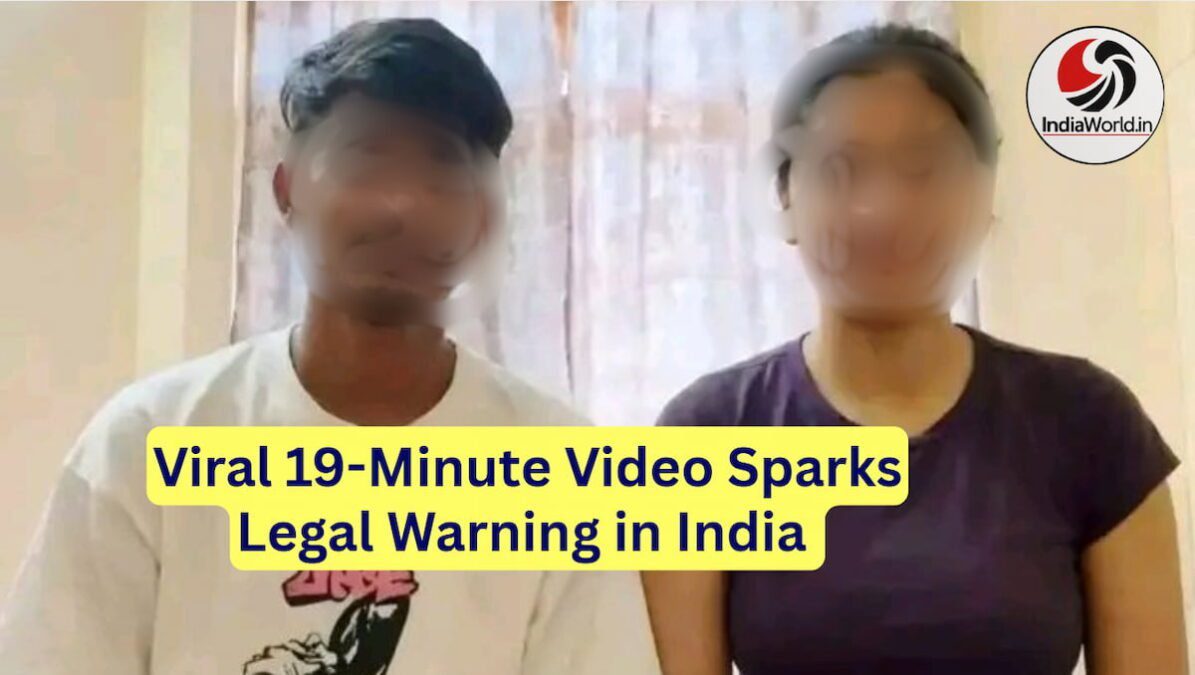
The 19-minute viral video controversy has exploded across social media, sparking debates, memes, and even legal warnings. The clip, reportedly showing a couple in private moments, has been widely circulated online. Some users claim it is a 19-minute, 34-second explicit hotel room recording, while others insist it could be a deepfake generated using AI tools.
No credible news organisation has authenticated the footage. Yet, the buzz around this video has grown so intense that it has triggered legal concerns, influencer clarifications, and even underground trading of the clip.
Can Sharing the Viral Video Land You in Jail?
Yes. Sharing or forwarding such explicit content is a criminal offence in India. Authorities have repeatedly warned that even unintentionally forwarding obscene material can lead to prosecution.
Here’s what the law says:
- Section 67 of the IT Act: Publishing or transmitting obscene material online can lead to 3 years imprisonment + ₹5 lakh fine.
- Section 67A of the IT Act: If the content involves sexual acts, punishment increases to 5 years imprisonment + ₹10 lakh fine.
- IPC Sections 292, 293, and 354C: These prohibit circulation of obscene content and voyeuristic material.
👉 In short: Forwarding the clip, even in private groups, can put you behind bars.
Deepfake or Real? The AI Angle
Speculation is rife that the viral clip may not be real at all. With the rise of AI-generated deepfakes, many users suspect the video could be digitally altered.
This isn’t the first time India has faced such a scandal. Just months ago, the “Babydoll Archi” Instagram account shocked millions when it was revealed that the viral woman with 1.4M followers was entirely AI-generated.
Experts warn that deepfake technology is becoming so advanced that distinguishing real from fake is nearly impossible without forensic analysis.

How Did the 19-Minute Video Gain Traction?
The clip’s rise to virality followed a familiar pattern:
- Rumours spread on WhatsApp groups claiming the video was leaked.
- Screenshots circulated on Twitter and Instagram, sparking curiosity.
- Influencers were wrongly tagged, leading to clarifications.
- Underground trading began, with users offering between ₹500–₹5,000 for access.
Despite strict laws, the demand for the clip has created a shadow market. This reflects a troubling trend: illegal content thrives online despite legal risks.
Influencer Sweet Zannat Speaks Out
One of the biggest twists came when Meghalaya-based influencer Sweet Zannat was wrongly accused of being in the video.

She quickly posted a clarification:
“Look at me properly… now look at her… Does she look like me in any way? She doesn’t, right! Then why are people writing ‘19-minute’ in my comments?”
She added humorously:
“You’re making me go viral for free! Okay, fine, go ahead, what do I care? I’m even getting good followers out of it, and views too.”

Her statement highlights how false assumptions can damage reputations, especially for women influencers who often face online harassment.
Why This Matters: The Bigger Picture
The controversy isn’t just about one video. It raises larger questions about privacy, AI misuse, and online responsibility:
- Privacy Breach: If real, the video represents a serious violation of personal privacy.
- AI Deepfakes: If fake, it shows how AI can be weaponized to defame individuals.
- Legal Risks: Sharing such clips can ruin lives—not just of those in the video, but also of those forwarding it.
- Social Media Harassment: Women influencers are often targeted with baseless accusations, leading to reputational harm.
What You Should Do If You See Such Content
- Do NOT share or forward the clip.
- Report it on platforms like Instagram, Twitter, or WhatsApp.
- Educate peers about the legal risks.
- Verify before reacting—most viral scandals are based on misinformation.
Trending Queries Around the Viral Video
- “Is the 19-minute viral video real or fake?”
- “Can forwarding obscene videos land you in jail in India?”
- “What is Section 67A of the IT Act?”
- “Who is Sweet Zannat and why is she trending?”
- “What is Babydoll Archi deepfake scandal?”
Final Word
The 19-minute viral video controversy is a reminder of how fast misinformation spreads online. Whether real or fake, the clip has already caused reputational harm and sparked legal warnings.
👉 The takeaway: Think before you share. What feels like harmless forwarding could cost you your freedom.
READ ALSO || Sanchar Saathi sparks privacy storm in India
🔗 External Links
- Information Technology Act, 2000 – Govt of India
- Section 67A IT Act Explained – Wikipedia
- Deepfake Technology – Wikipedia
- Quora Discussions on Viral Videos
- Reddit Threads on Deepfake Scandals
📢 More updates follow us: https://x.com/vishnu73
Join our Arattai Group: aratt.ai/@indiaworld_in
👉 Telegram Channel: t.me/indiaworld_in
📰 Visit IndiaWorld.in for: