


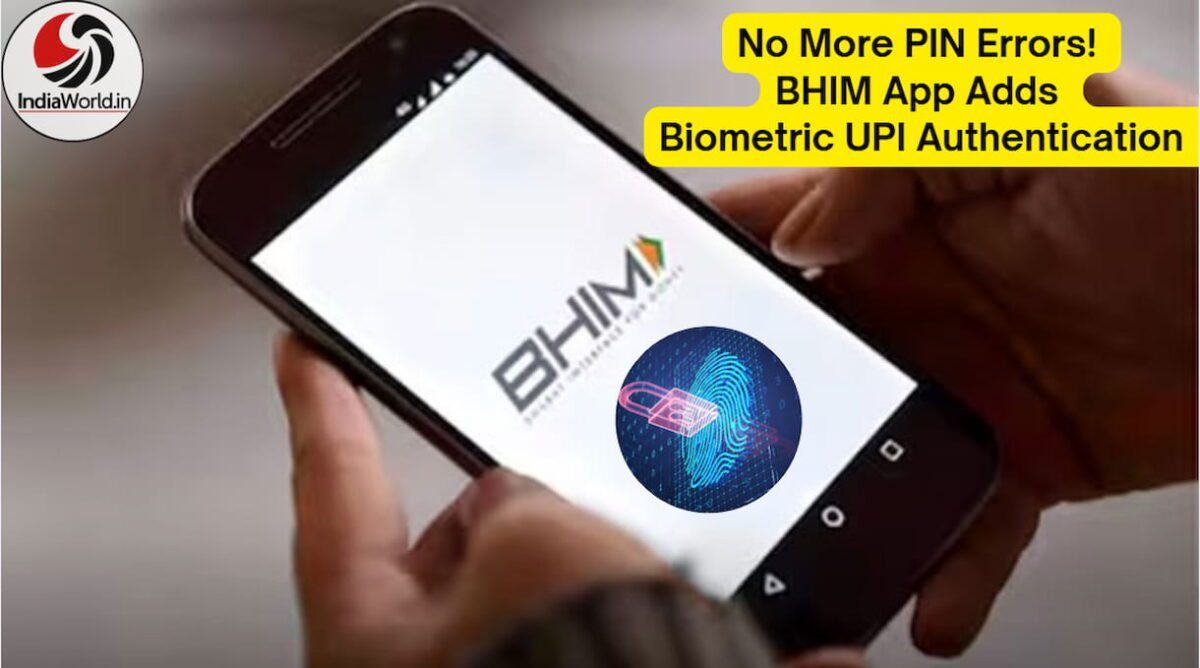
BHIM App Makes UPI Safer: Biometric Payments Up to ₹5,000
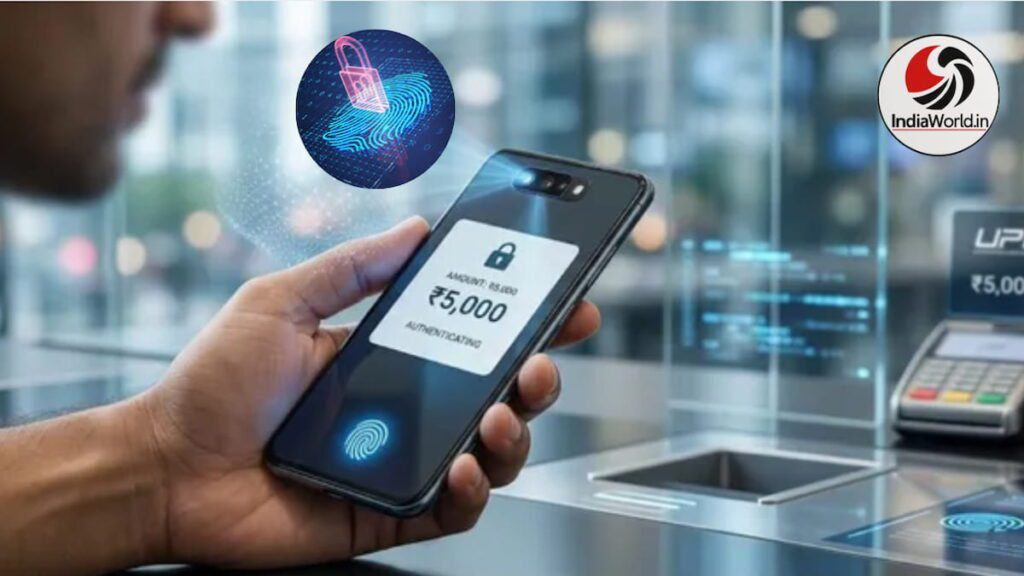
Digital payments in India just got a major upgrade. The BHIM app, developed under the National Payments Corporation of India (NPCI), has introduced biometric authentication for UPI payments up to ₹5,000. This means you can now approve transactions using your fingerprint or face unlock—no need to type your UPI PIN every time.
Why This Matters
UPI has become the backbone of India’s digital economy, powering billions of transactions every month. But one common frustration has been failed payments due to incorrect PIN entry. Forgetting your PIN or mistyping it often leads to delays. With this new biometric option, BHIM aims to make everyday payments faster, smoother, and more secure.
How It Works
- For transactions up to ₹5,000, you can simply use your phone’s fingerprint sensor or facial recognition.
- For payments above ₹5,000, the UPI PIN is still required, adding an extra layer of protection.
- The biometric data never leaves your device—it’s stored securely in your phone’s hardware, reducing risks like PIN sharing or misuse.
This feature is available on both Android and iOS devices that support biometric authentication.
Everyday Use Cases
Imagine these scenarios:
- Sending money to a friend instantly without typing a PIN.
- Scanning a merchant QR code at a local shop and paying with just your fingerprint.
- Making quick online purchases with face unlock.
For millions of Indians, this update means less friction and more confidence in digital transactions.
Security First
According to Lalitha Nataraj, MD & CEO of NPCI BHIM Services Limited (NBSL), the goal is to make payments “simple, secure, and accessible for everyone.” By tying transactions directly to your fingerprint or face, BHIM ensures that payments are uniquely linked to the user.

This approach also reduces risks like:
- PIN theft or sharing
- Shoulder surfing (someone watching you type your PIN)
- Forgotten PINs leading to failed transactions
The Bigger Picture
India’s digital payments ecosystem has been evolving rapidly. UPI crossed 10 billion monthly transactions in 2023, and the numbers continue to rise. With biometric authentication, BHIM is aligning with global trends where biometrics are increasingly used for financial security.
Apple Pay, Google Pay, and Samsung Pay already use biometrics for authentication. BHIM’s move ensures Indian users enjoy the same convenience while keeping transactions rooted in local infrastructure.
What Experts Say
Fintech analysts believe this update could:
- Boost adoption among first-time digital payment users who find PINs confusing.
- Reduce failed transactions, improving trust in UPI.
- Encourage more merchants to accept UPI payments confidently.
Limitations
Of course, there are boundaries:
- Biometric authentication works only on devices with fingerprint or face unlock.
- For higher-value transactions, the UPI PIN remains mandatory.
- Users must ensure their phone’s biometric system is properly set up and secure.
Future Possibilities
This launch could pave the way for:

- Voice authentication for payments.
- Wearable-based UPI approvals (smartwatches with biometric sensors).
- Wider integration with government-backed digital identity systems.
User-Friendly Upgrade
For everyday users, this is a game-changer. No more fumbling with PINs for small payments. Just tap, scan, and go. It’s another step toward making India’s digital economy seamless and dependable.
External Links (CTA)
- BHIM App – NPCI Official
- Unified Payments Interface (UPI) – Wikipedia (en.wikipedia.org in Bing)
- Digital Payments in India – RBI
- Quora Discussions on UPI Security
More updates follow us: https://x.com/vishnu73
Join our Arattai Group: aratt.ai/@indiaworld_in (aratt.ai in Bing)
Read also : Air Ticket Cancellation Made Easy: DGCA’s 48-Hour Free Window