


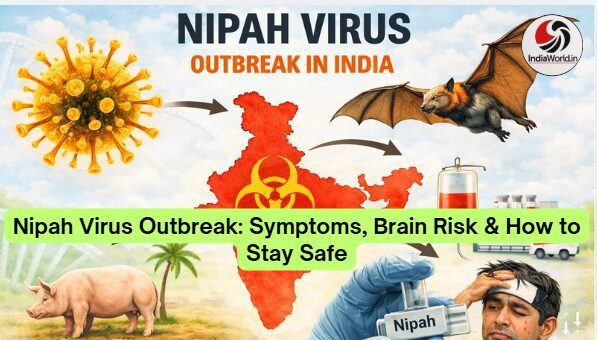
Nipah Virus in India: Rare but Dangerous
The Nipah virus in India has once again made headlines after two confirmed cases were reported in Kolkata, West Bengal. Both patients, nurses working in a hospital, have since recovered and tested negative. While health officials stress that there is no need for panic, the virus’s reputation as one of the deadliest infections in the world has sparked concern across South Asia.
Nepal’s Health Ministry has already urged its citizens to remain vigilant, while India’s Union Health Ministry reassured the public that the situation is under control. But what exactly is Nipah virus, how does it attack the brain, and what can you do to stay safe?
What Makes Nipah Virus So Dangerous
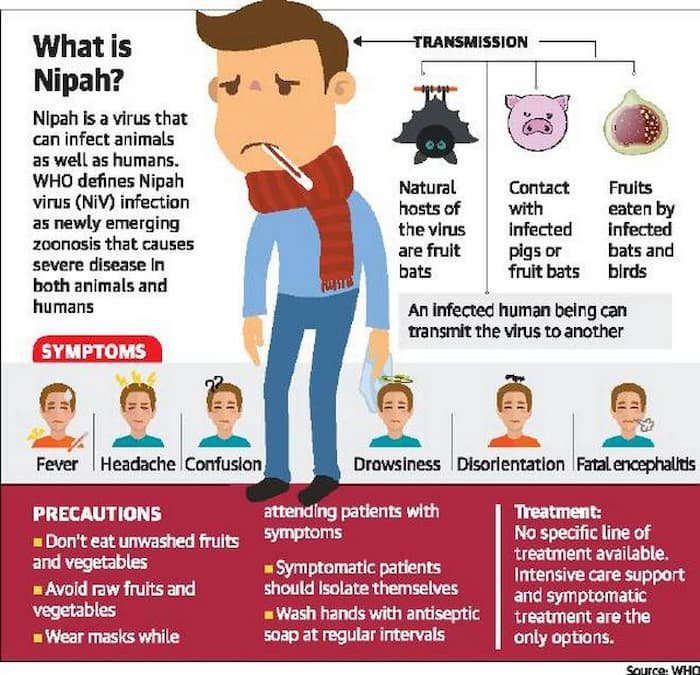
Unlike common infections such as dengue or malaria, Nipah virus is rare but highly lethal. Mortality rates in past outbreaks have ranged from 40% to 75%, depending on healthcare access and early detection. The virus spreads from animals to humans, with fruit bats (also called flying foxes) acting as the main reservoir.
These bats carry the virus silently, without symptoms, and can contaminate fruits or surfaces with saliva or urine. Human infection often occurs through:
- Eating contaminated fruit
- Drinking raw date palm sap
- Close contact with infected individuals
- Handling pigs or horses exposed to bats
This zoonotic nature makes Nipah a public health challenge, especially in rural areas where fruit bats thrive.
How Nipah Virus Attacks the Body and Brain
Once inside the body, Nipah virus multiplies in the upper respiratory tract. It then enters the bloodstream, spreading to vital organs like the lungs, heart, and eventually the brain.
Neurologists warn that Nipah’s most dangerous feature is its ability to damage blood vessels. This inflammation allows the virus to cross the blood–brain barrier, leading to encephalitis (severe brain inflammation).
Early symptoms include:

- Fever
- Headache
- Muscle pain
- Breathing difficulties
Severe symptoms include:
- Confusion
- Seizures
- Extreme drowsiness
- Loss of consciousness
As brain swelling worsens, vital functions such as breathing and heart rate regulation may collapse. This makes Nipah a medical emergency requiring immediate isolation and intensive care.
Why Nipah Virus Won’t Cause a Pandemic Like COVID-19
Pediatrician Dr. Sivaranjini recently reassured the public on X (formerly Twitter):
“There is absolutely no need to panic. Nipah will not cause a pandemic because it is not airborne.”
Unlike COVID-19, Nipah virus does not spread through the air. Transmission requires close contact with infected individuals, contaminated food, or animals. This limits its ability to spread widely, though localized outbreaks can still be deadly.
Prevention: Simple Steps That Save Lives
Health experts emphasize awareness over fear. Preventive measures are straightforward and effective:
- Wash fruits thoroughly before eating
- Avoid raw date palm sap, especially in bat-prone areas
- Practice strict hand hygiene
- Wear masks and gloves if handling animals or caring for infected patients
- Avoid undercooked pork
- Disinfect surfaces regularly (virus can survive up to 7 days at room temperature)
These steps, combined with early medical attention, drastically reduce the risk of infection.
Global Context: Past Outbreaks and Lessons Learned
Nipah virus was first identified in Malaysia in 1998, linked to pig farms. Since then, outbreaks have occurred in Bangladesh, Kerala (India), and other regions. Each outbreak has taught valuable lessons:

- Rapid isolation saves lives.
- Community awareness prevents spread.
- Healthcare readiness is critical.
India’s current response reflects these lessons, with swift testing, isolation, and public advisories.
What To Do If You Suspect Symptoms
If you experience fever, headache, or breathing difficulties after consuming fruit or being in bat-prone areas, seek medical attention immediately. Do not self-medicate or ignore symptoms. Early detection can mean the difference between recovery and fatal complications.
The Bottom Line
Nipah virus in India is rare but dangerous. While only two cases have been reported recently, its ability to cause brain inflammation and high mortality makes it a serious health concern. The good news: it is not airborne, and simple precautions can protect you and your family.
Stay informed, stay cautious, and remember—awareness is the best defense.
External Links (Trusted Sources)
- WHO on Nipah Virus (who.int in Bing)
- CDC Nipah Virus Information (cdc.gov in Bing)
- Wikipedia: Nipah Virus (en.wikipedia.org in Bing)
- Indian Ministry of Health Updates (main.mohfw.gov.in in Bing)
CTA Links
More updates follow us: https://x.com/vishnu73
Join our Arattai Group: aratt.ai/@indiaworld_in
👉 Telegram Channel: t.me/indiaworld_in
📰 Visit IndiaWorld.in for:
Also Read: Balochistan Under Siege: 50 Dead as Female Militants Join Battle