


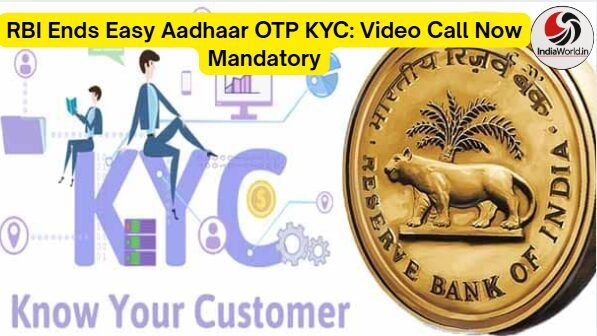
RBI Tightens Aadhaar OTP KYC Rules: What It Means for You
No More Easy KYC with Just OTP
The Reserve Bank of India (RBI) has announced a major change in how banks handle Aadhaar OTP-based e-KYC. For years, opening a bank account was as simple as entering the OTP sent to your Aadhaar-linked mobile number. But with rising cyber fraud, this shortcut is no longer enough.
The focus keyword “Aadhaar OTP KYC” is trending because millions of customers are affected. RBI’s latest move ensures stronger verification, making it harder for fraudsters to misuse the system.
Why RBI Changed Aadhaar OTP Rules
Digital banking has made life easier. You could open an account in minutes, transfer money instantly, and complete KYC without visiting a branch. But criminals exploited this convenience.
- Mule accounts were created using stolen Aadhaar details.
- OTP-only verification meant banks couldn’t confirm if the person was genuine.
- Fraudsters used these accounts for money laundering, scams, and cyber theft.
To stop this, RBI has directed banks to restrict OTP-only KYC and adopt stronger methods like Video KYC.
Video KYC: The New Standard
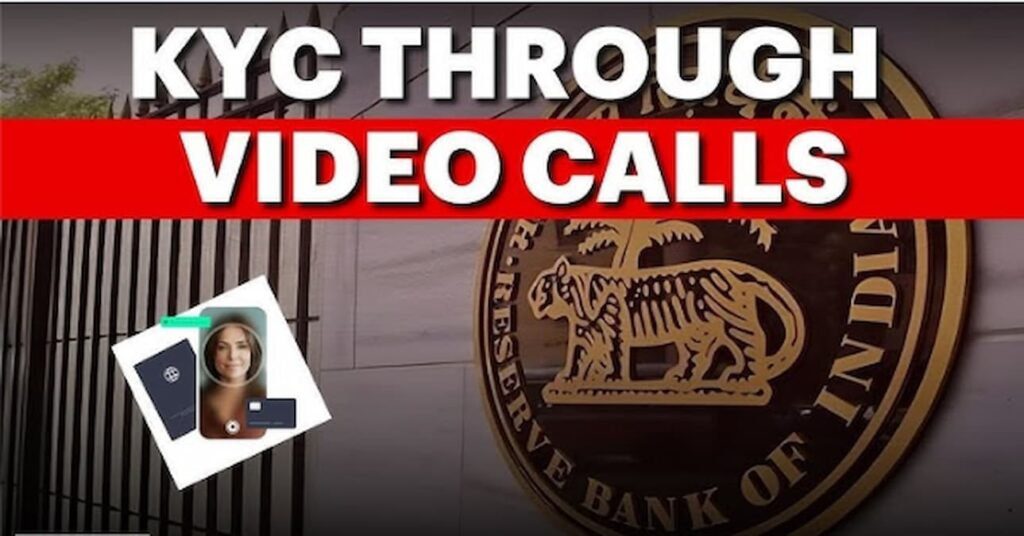
Instead of just entering an OTP, customers must now complete Video KYC. This process is more secure and interactive:

- You connect with a bank representative on a live video call.
- You show your original Aadhaar and PAN cards.
- The official verifies your identity in real time.
- Your live location is recorded to prevent fake videos or photos.
This makes it nearly impossible for fraudsters to open accounts using stolen Aadhaar numbers.
Assisted Video KYC for Rural Areas
RBI understands that not everyone has access to smartphones or strong internet. That’s why banks are offering Assisted Video KYC:
- Bank staff help customers in rural or remote areas.
- Local branches or agents guide users through the process.
- This ensures inclusivity while maintaining security.
Beware of Fake KYC Messages
Cybercriminals often send SMS or WhatsApp messages like:
- “Your KYC expired. Click this link.”
- “Update Aadhaar now to avoid account freeze.”
These are phishing scams. RBI has warned customers:
- Banks do not send random links for KYC.
- Always complete KYC through the official app or website.
- Report suspicious messages immediately.
Impact on Customers
This change affects millions of bank users. Here’s what it means:

- New accounts: You can’t open a fully functional account with just Aadhaar OTP.
- Existing accounts: If your KYC was done only via OTP, banks may ask you to re-verify.
- Faster fraud detection: Banks can now track mule accounts more effectively.
- More security: Your money is safer with stronger verification.
RBI’s Larger Push for Secure Banking
This move is part of RBI’s broader strategy to fight cybercrime:
- Promoting onboarding via Video KYC.
- Encouraging multi-factor authentication for transactions.
- Tightening rules for digital lending apps.
- Increasing awareness about cyber hygiene.
What You Should Do Now
- Check if your bank requires Video KYC.
- Keep Aadhaar and PAN cards ready.
- Avoid clicking on suspicious KYC links.
- Use official apps/websites for updates.
- Educate family members, especially seniors, about fraud risks.
📢 CTA Links
- 👉 More updates follow us: Twitter
- 👉 Join our Arattai Group: aratt.ai/@indiaworld_in
- 👉 Telegram Channel: t.me/indiaworld_in
- 📰 Visit IndiaWorld.in for:
🔗 External Links
- Reserve Bank of India – Official Site
- Aadhaar – UIDAI Official Website
- Know Your Customer – Wikipedia (en.wikipedia.org in Bing)
- Cybercrime Awareness – Indian Govt
- Quora Discussions on KYC Fraud (quora.com in Bing)
Also Read: Apple Creator Studio Launch: Affordable Pro Apps for Video, Music & Design