

WhatsApp SIM Binding Rule Explained
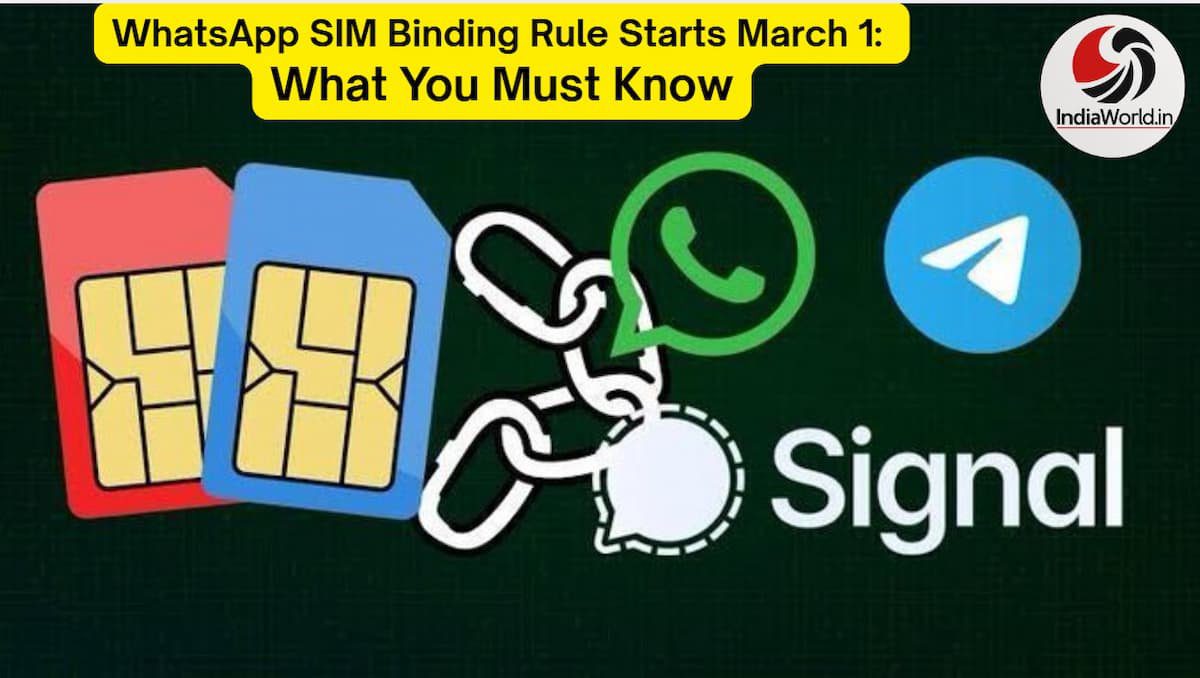
Starting March 1, 2026, WhatsApp users in India will face a major change. The Department of Telecommunications (DoT) is enforcing mandatory SIM binding under the Telecom Cyber Security (TCS) Rules, 2024.
In simple words: your WhatsApp account must stay linked to the physical SIM card inside your primary phone. No SIM, no WhatsApp.
This is a big shift from WhatsApp’s current “verify-once” model, where you enter an OTP once and continue using the app across devices—even without the SIM card present.
Why SIM Binding Is Being Enforced
The government says this move is about national security and fighting cyber fraud.
- Fraudsters often activate WhatsApp with an Indian number, then operate accounts remotely—even from outside India.
- This makes tracing scams difficult and leaves victims vulnerable.
- In 2024 alone, cyber fraud losses crossed ₹22,800 crore.
By tying WhatsApp accounts to KYC-verified SIM cards, authorities hope to:

- Improve traceability
- Reduce anonymous fraud operations
- Protect users from financial scams
How SIM Binding Will Work
Here’s what changes from March 1, 2026:
1. Continuous SIM Verification
WhatsApp will check every 6 hours if your registered SIM is inside your phone. If not, the app stops working until the SIM is reinserted.
2. Six-Hour Logout on Web & Desktop
WhatsApp Web and Desktop sessions will automatically log out every six hours. To continue, you’ll need your primary phone with the active SIM.
3. Restrictions on Linked Devices
The popular Linked Devices feature (Companion Mode) will face strict limits. Tablets, secondary phones, or Wi-Fi-only devices may require frequent re-authentication.

What This Means for Users
- Less flexibility: You can’t keep WhatsApp running on multiple devices without your primary SIM nearby.
- Work disruptions: Professionals relying on WhatsApp Web for long hours will need to re-login often.
- Travel challenges: If you swap SIMs while abroad, WhatsApp may stop working until you return to your original SIM.
How to Prepare Before March 1
To avoid sudden disruptions:

- Check your SIM: Make sure your WhatsApp account is linked to the SIM currently in your primary phone.
- Update WhatsApp: Install the latest version for compatibility.
- Keep your phone handy: If you use WhatsApp Web or Desktop, you’ll need your primary device nearby for re-authentication.
Bigger Picture: India’s Digital Security Push
This move is part of India’s broader push for digital safety. Similar steps include:
- Mandatory KYC verification for mobile numbers
- Stricter rules for digital wallets and UPI apps
- Crackdowns on international scam networks
While users may find SIM binding inconvenient, officials argue it’s necessary to protect citizens from rising cybercrime.
READ Also : SBI Customers Alert: New IMPS & ATM Rules Explained
📌 External Links for Readers
- WhatsApp Official Site
- Department of Telecommunications, India
- Cybercrime in India – Wikipedia (en.wikipedia.org in Bing)
- Quora Discussions on WhatsApp SIM Binding
🔗 Stay Updated
- More updates follow us: https://x.com/vishnu73
- Join our Arattai Group: aratt.ai/@indiaworld_in
- 👉 Telegram Channel: t.me/indiaworld_in
- 📰 Visit IndiaWorld.in for: